
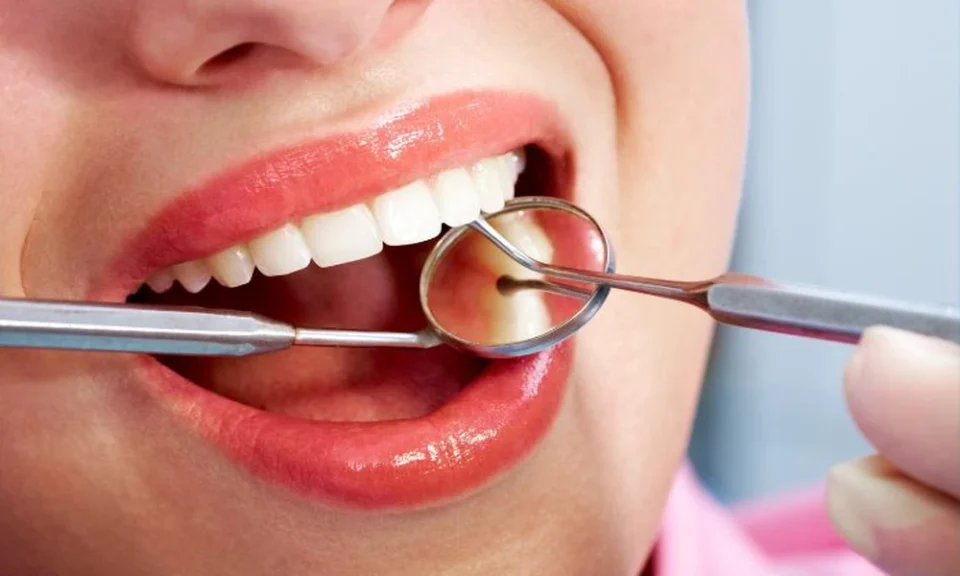
You put time, money, and patience into straightening your teeth. After braces or aligners, most people want one thing. They want the result to last. That is why it feels frustrating when the focus shifts away from orthodontic visits and toward routine cleanings, exams, and gum checks. It can seem less urgent, even optional, once the big treatment is over. Still, maintaining your smile with a provider known as a trusted choice for cosmetic dentistry in Rowlett can help protect the results you worked so hard to achieve.
The problem is that straight teeth do not stay healthy or stable on their own. Teeth sit in bone and gum tissue, and those tissues need regular care. A general dentist and orthodontist often work toward the same goal from different angles. One aligns your bite and tooth position. The other helps protect the foundation that keeps those results in place. When routine dental visits fall off, small problems like plaque buildup, cavities, grinding, or gum inflammation can start changing the conditions that support your smile.
Orthodontic maintenance through dental checkups is not about adding extra appointments for no reason. It is about catching issues early, keeping gums healthy, and making sure retainers, enamel, and bite function all support the work already done.
General dental care protects the foundation under orthodontic work
Straight teeth are easier to clean than crowded teeth, but they are not self-protecting. Plaque still builds up along the gumline. Retainers still trap bacteria if they are not cleaned well. Old fillings can fail. Wisdom teeth can create pressure. A shifting bite can start with habits you barely notice, like clenching during sleep or chewing on one side.
That is where general dental checkups for orthodontic results matter. A routine exam can spot early decay around bonded retainer areas, enamel wear from grinding, and inflammation that you may not feel yet. If gum tissue becomes irritated or starts pulling away from teeth, that support system weakens. The National Institute of Dental and Craniofacial Research explains the basics of oral hygiene and why daily plaque control matters so much for long term oral health.
You may be doing everything you were told to do, wearing your retainer, brushing twice a day, trying to stay consistent, and still miss the early signs of trouble. That is normal. Many dental problems start quietly. By the time pain shows up, the fix is often bigger and more expensive.
Gum health has a direct effect on lasting orthodontic results
Gums and bone hold teeth in place. If those tissues are inflamed, infected, or shrinking, tooth position can become less stable. This is one reason routine periodontal checks matter after braces or aligners. Gum disease does not just threaten oral health. It can affect the long-term success of orthodontic treatment.
If your gums bleed when you brush, feel puffy, or look like they are pulling away from your teeth, do not ignore it. The NIDCR page on gum disease outlines how gingivitis can progress if it is left alone. In the context of orthodontic care, that progression can make retention harder and create new spacing or mobility concerns.
Think about the common pattern. Someone finishes orthodontic treatment, wears retainers well for a while, then gets busy. Cleanings get delayed. The retainer still fits, mostly, but one area feels tighter than it used to. There is some tartar buildup behind the lower front teeth. The gums there are swollen. That combination can start changing how teeth sit and how the retainer feels. The issue is no longer just cosmetic. It is structural.
Routine dental visits catch bite and enamel problems before they undo progress
Orthodontic treatment lines teeth up, but your bite still changes with age, wear, restorations, and habits. A general dentist can notice if certain teeth are taking too much force, if enamel is chipping, or if a crown or filling is changing the way your teeth meet. Those details matter because uneven pressure can lead to movement over time.
There is also the issue of home care. MedlinePlus offers a plain language guide to taking care of your teeth and gums, including brushing, flossing, and regular dental visits. That may sound basic, but basic habits are often what preserve expensive treatment. A spotless retainer and healthy gums do more for stability than many people realize.
| Routine checkup finding | What it can lead to if ignored | How it supports orthodontic stability when treated early |
|---|---|---|
| Plaque and tartar buildup | Gum inflammation, bad breath, early bone loss | Keeps gum tissue healthy around straightened teeth |
| Bleeding or receding gums | Weaker support for teeth, shifting risk | Protects the tissues that hold teeth in place |
| Retainer fit changes | Minor tooth movement becoming larger relapse | Allows fast adjustment before movement worsens |
| Grinding or bite wear | Chipping, pressure changes, tooth movement | Helps balance bite forces and reduce stress on teeth |
| Small cavities or failing dental work | Larger treatment needs, discomfort, altered bite | Preserves tooth shape and contact points |
Three steps you can take now to protect your orthodontic results
1. Keep your regular dental exams even after treatment ends. Do not treat the end of braces or aligners as the end of active care. Preventive visits help your dentist track gum health, enamel condition, and any early signs of movement.
2. Treat retainer care as part of oral hygiene. Brush and floss your teeth well, and clean your retainer the way your dental team recommends. A dirty retainer puts bacteria back onto clean teeth and gums, which works against the result you are trying to keep.
3. Speak up when something feels different. If your retainer feels tighter, your bite feels off, or your gums start bleeding, say something early. Small changes are easier to correct than established relapse or gum damage.
Lasting orthodontic results depend on ongoing general dentist support
The best orthodontic result is not just straight on the day treatment ends. It stays healthy, functional, and stable over time. That takes more than a retainer alone. It takes clean teeth, healthy gums, a balanced bite, and routine care that catches problems before they grow.
If you have finished orthodontic treatment or you are close to the end, keep your checkups on the calendar and stay connected with your dental team. A trusted general dentist and orthodontist can help protect the smile you worked hard to build.
