
You may have been told you need a bone graft before getting a Fresno dental implant, and that can feel like one more hurdle when you were hoping for a clear answer. Many people hear “not enough bone” and immediately worry that implants are out of reach, the cost will rise, or the process will drag on for months. That reaction makes sense. When you are already dealing with a missing tooth, shifting teeth, trouble chewing, or embarrassment about your smile, adding another procedure can feel discouraging.
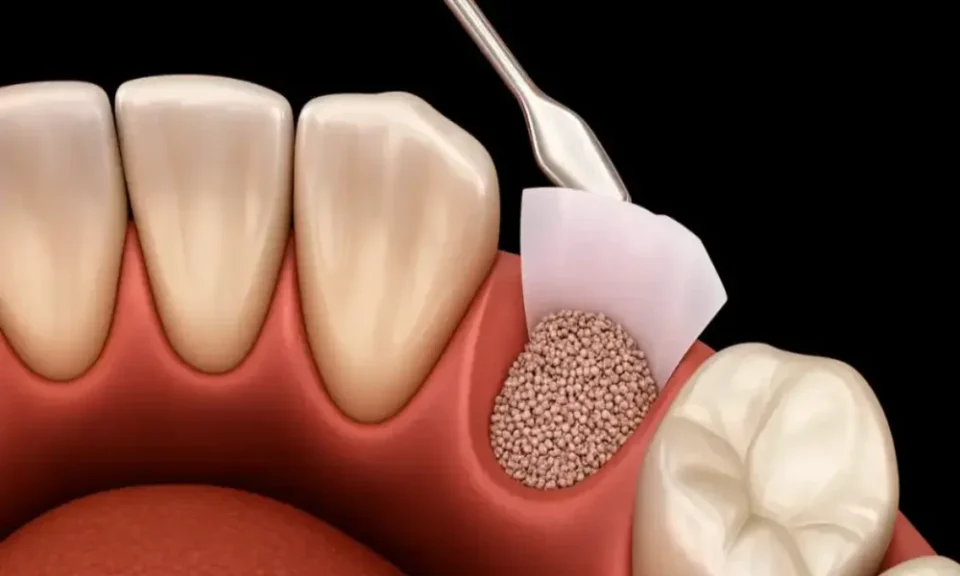
The reason bone grafting comes up so often is simple. Dental implants need a stable foundation. If the jawbone has thinned or shrunk after tooth loss, gum disease, trauma, or a long standing infection, the implant may not have enough support to heal correctly. Bone grafting for dental implants rebuilds that support, giving the implant a better chance to bond with the bone and last.
Bone loss changes what an implant can safely do
Once a tooth is gone, the jawbone in that area stops getting the same pressure from chewing. The body responds by resorbing bone. That process can start sooner than most people expect. A space that looked manageable at first can become more difficult months or years later. This is why someone who wants a single implant may hear that the site first needs grafting.
The issue is not cosmetic alone. An implant placed into weak or thin bone can fail to integrate, sit in the wrong position, or create bite problems. In the upper back jaw, there may also be limited bone below the sinus. In the lower jaw, bone width can be the main concern. An oral surgeon and implant dentist looks at height, width, density, and the health of nearby structures before deciding whether a graft is needed.
That planning matters because the goal is not just to place an implant. The goal is to place it where it can function well, feel comfortable, and support a natural looking tooth.
Jawbone augmentation creates the base implants need
Jawbone augmentation before implants can involve several methods depending on the amount and location of bone loss. Some patients need a small socket graft right after an extraction to preserve bone. Others need a ridge graft to build width. Some need a sinus lift in the upper jaw. The procedure is tailored to the site, not copied from one patient to the next.
Graft material may come from your own bone, a donor source, animal derived material processed for medical use, or a synthetic option. Research in dental materials continues to improve how these grafts support healing and long term implant success. Broader work in regenerative medicine is also shaping how clinicians rebuild lost oral tissues more predictably.
You might be wondering if a graft means the implant has to wait. Sometimes yes. In other cases, the graft and implant can be done at the same visit if the remaining bone is strong enough for initial stability. The timing depends on your anatomy, the amount of lost bone, and whether there is active infection that must heal first.
Skipping grafting can create bigger problems later
When people hesitate, it is often because they want to avoid another surgery, another bill, or more healing time. Those concerns are real. The harder truth is that skipping a needed graft can lead to a poor implant position, gum recession around the implant, mechanical strain, or implant failure. Fixing those problems later is often more expensive and more frustrating than addressing the bone first.
Bone grafting is a surgical procedure, so it does come with normal risks such as swelling, soreness, bleeding, and infection. General surgical risks are outlined by MedlinePlus in its overview of bone grafting. Most patients recover well with the right aftercare, and discomfort is usually manageable with routine post operative instructions.
Comparing implant treatment with and without needed bone grafting
| Factor | Implant With Needed Bone Graft | Implant Without Needed Bone Graft |
|---|---|---|
| Bone support | Improved height or width for implant stability | Limited support, higher risk of weak integration |
| Implant position | Better alignment for bite and appearance | May require compromise in angle or placement |
| Healing timeline | Often longer, especially if graft must mature first | Shorter at first, but may lead to later setbacks |
| Long term outlook | Stronger foundation for function and maintenance | Greater chance of failure or future corrective work |
| Cost pattern | Higher upfront cost | May appear cheaper initially, but revisions can cost more |
Practical steps help you prepare for oral surgery and implant treatment
Get a scan based evaluation. A standard exam alone does not always show the full picture. A 3D scan can reveal bone volume, sinus position, old infection, and the exact shape of the ridge. If you have been told different things by different offices, this is often why. Imaging turns guesswork into a treatment plan.
Ask what type of graft is being recommended and why. “You need a graft” is not enough detail. Ask whether you need socket preservation, ridge augmentation, or a sinus lift. Ask what graft material will be used, how long healing usually takes, and whether the implant can be placed at the same time. Clear answers make the process less intimidating.
Plan for healing, not just the procedure day. Stock soft foods, arrange a lighter schedule, and follow instructions on medications, smoking avoidance, and oral hygiene. If you smoke or have uncontrolled diabetes, healing can be slower and implant outcomes can suffer. Small choices during recovery have a real effect on whether dental implant bone grafting succeeds.
Strong implant results start with a stable foundation
Hearing that you need bone grafting does not mean you are a bad candidate for implants. It usually means your surgeon is trying to build the support your implant needs instead of forcing a shortcut. That is a good sign. Careful planning now can protect your comfort, your bite, and your investment for years to come.
If you are considering treatment with an oral surgeon and implant dentist, ask for a full evaluation and a clear explanation of your options. The right plan starts with the bone you have and the result you want to keep.
