
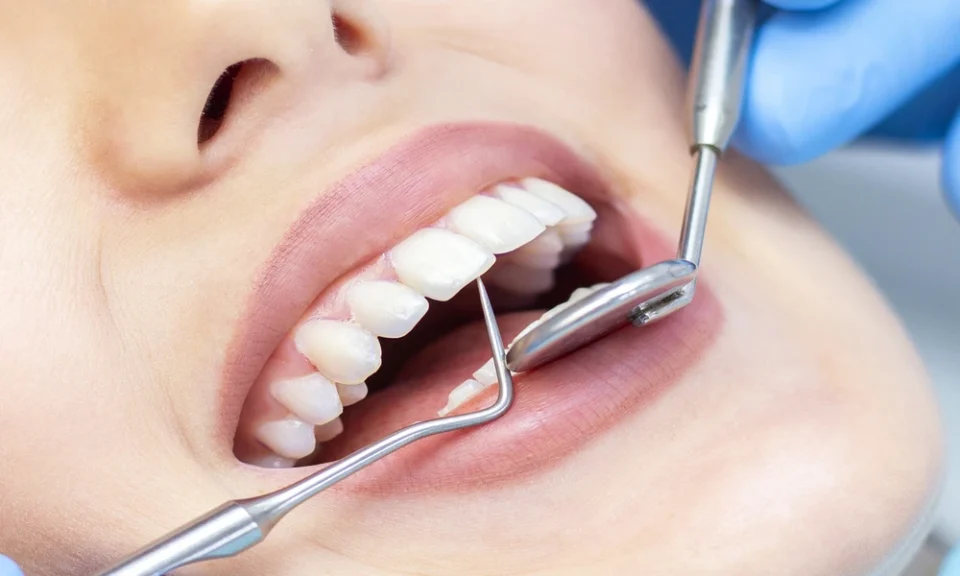
You may be ready for a dental implant and still feel uneasy about what happens first. That feeling is common. Many people focus on the tooth they lost, then find out the gums and bone around that area matter just as much. A periodontist Albuquerque patients trust can help evaluate whether the area is healthy enough for treatment. If your gums are inflamed, infected, or pulling away from the teeth, implant placement may need to wait until those issues are treated.
The short version is simple. Healthy gums give an implant the support it needs. Unhealthy gums raise the risk of infection, poor healing, and implant failure. A periodontist and implant dentist looks for warning signs early so you can treat the problem before it affects the result you want.
Gum inflammation can block successful implant placement
One of the clearest signs your gums may need treatment is redness, swelling, or tenderness. Gums should look firm and pale pink, not puffy or shiny. If brushing feels uncomfortable or your gums seem irritated for days at a time, inflammation may already be present.
This matters because implants need a clean, stable environment. Inflamed tissue often points to plaque buildup or gum disease, and that bacteria does not stay in one neat spot. It can affect the tissue around a future implant site and interfere with healing after surgery.
If this sounds familiar, you are not overreacting. Many people assume mild gum irritation is normal, especially if it comes and goes. It is not. The National Institute of Dental and Craniofacial Research explains gum disease as an infection of the tissues that hold teeth in place, and early treatment can prevent deeper damage.
Bleeding gums often signal infection beneath the surface
If your gums bleed when you brush, floss, or eat certain foods, that is another sign to take seriously. Healthy gums do not bleed easily. Bleeding may seem minor, but it often points to gingivitis or a more advanced periodontal problem.
This is where people get stuck. You may think, “I can still chew, so maybe it is fine.” Then the bleeding becomes more frequent, your breath changes, and your gumline starts to shift. By the time you are planning an implant, the infection may already be affecting the bone underneath.
A gum disease evaluation before dental implants can show whether the issue is limited to the surface or has moved deeper. That distinction matters. Surface inflammation may respond to professional cleaning and improved home care. Deeper infection may need periodontal treatment before implant surgery is even considered.
Receding gums and loose teeth can point to bone loss
Gums that look like they are pulling back from the teeth deserve attention. Recession can expose more of the tooth, create sensitivity, and change your smile, but the larger issue is what may be happening below the gumline. Gum recession often goes hand in hand with bone loss.
That creates a practical problem for implants. An implant needs enough bone support to stay stable over time. If periodontal disease has already weakened the area, placing an implant too soon can lead to poor integration or added procedures later.
The NIH overview of gum disease notes that advanced disease can damage the bone and tissues that support teeth. If you have a loose tooth near the planned implant site, or if your bite feels different, your gums may need treatment before anything else.
Persistent bad breath and a bad taste in your mouth are not minor issues
Chronic bad breath can be embarrassing, and many people try to manage it with mouthwash, gum, or mints. If the odor keeps coming back, especially with a bad taste in your mouth, bacteria below the gumline may be the reason.
This is one of those signs people often dismiss because it does not seem connected to implant care. It is connected. Ongoing bacterial buildup can mean active infection, and active infection is exactly what a surgeon wants to control before placing an implant.
A periodontal treatment before implant surgery may include deep cleaning, infection control, and a review of your brushing and flossing routine. The goal is not to delay your care for no reason. The goal is to protect your investment and improve your odds of long term success.
Past gum disease raises the risk of implant complications
Even if your mouth feels better now, a history of gum disease still matters. Prior periodontal problems can increase the risk of peri implant disease later, which is inflammation or infection around the implant itself. That does not mean you cannot get an implant. It means your gums deserve a closer look first.
The MedlinePlus gum disease resource makes clear that gum disease can range from mild inflammation to serious damage. If you have had deep cleanings, gum surgery, or repeated infections in the past, tell your provider. That history helps shape the treatment plan and follow up care.
Treating gum problems first lowers risk and protects your implant result
| Condition Before Implant | If Ignored | If Treated First |
|---|---|---|
| Red, swollen gums | Higher risk of poor healing and infection | Healthier tissue at the implant site |
| Bleeding during brushing or flossing | Ongoing inflammation may worsen under the gums | Early treatment can stop disease progression |
| Gum recession or loose teeth | Possible bone loss and weaker implant support | Bone and gum needs can be addressed in advance |
| Chronic bad breath | Bacterial infection may remain active | Cleaner oral environment for surgery |
| History of periodontal disease | Greater chance of future implant complications | Closer monitoring and a safer treatment plan |
This is where a periodontist and implant dentist becomes especially helpful. You are not just replacing a tooth. You are rebuilding support in a part of the mouth that has to stay healthy under pressure every day.
Three steps you can take right now
Schedule a periodontal exam before implant planning. Ask for an evaluation of your gums, bone levels, and infection risk before moving forward. That gives you a clear picture instead of a guess.
Pay attention to bleeding, swelling, and changes in your gumline. Do not wait for pain. Gum disease is often quiet in the early stages, and small signs now can prevent larger treatment later.
Follow through with treatment before surgery. If you are told you need deep cleaning, gum therapy, or bone support, handle that first. It can save time, money, and frustration by reducing the chance of implant failure.
If you have noticed any of these signs, you are not behind and you are not out of options. You may simply need to treat the gums before the implant can succeed. Taking care of that first gives your smile a stronger foundation and a better chance to last.
