
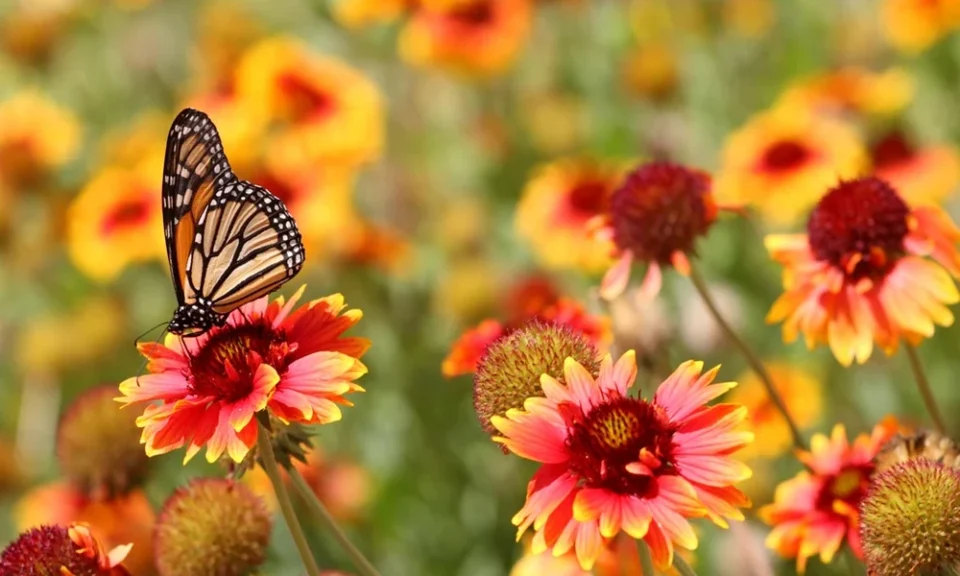
Many homeowners fill their gardens with colorful flowers and expect butterflies to arrive, only to see very little activity. A butterfly-friendly yard requires more than bright blooms because butterflies need food, shelter, water, and plants that support every stage of their life cycle. Tropical climates offer excellent growing conditions, but the wrong plant selection can still limit butterfly populations. This article explains practical ways to create a landscape that naturally attracts butterflies and supports them throughout the year.
Choose Host Plants and Nectar Plants That Work Together
One of the best ways to attract butterflies to your yard is to grow both host plants for caterpillars and nectar plants for adult butterflies. Many gardens provide nectar but overlook the plants needed for egg laying and caterpillar development. A combination of milkweed, passionvine, cassia, firebush, porterweed, and other flowering natives creates a habitat that supports butterflies beyond a single blooming season.
| Host Plants | Nectar Plants | Butterflies Attracted |
|---|---|---|
| Milkweed | Firebush | Monarch |
| Passionvine | Porterweed | Gulf Fritillary |
| Cassia | Pentas | Cloudless Sulphur |
| Wild Lime | Native Wildflowers | Giant Swallowtail |
Provide Sunlight, Shelter, and Water in the Right Places
Butterflies spend much of the day moving between sunny areas and protected resting spots. A garden that combines open sunlight with shrubs, ornamental grasses, and small trees gives butterflies places to warm up, escape strong winds, and rest between feeding. Simple additions such as shallow water dishes, damp soil for puddling, and flat stones for basking create a more complete habitat instead of relying on flowers alone.
Reduce Pesticides and Accept Natural Leaf Damage
Many gardeners become concerned when caterpillars begin feeding on host plants, but this is one of the clearest signs that the habitat is functioning properly. Minor leaf damage is a natural part of the butterfly life cycle and usually does not harm healthy plants. Using targeted pest management instead of broad-spectrum insecticides helps protect butterflies while keeping other garden problems under control.
The National Park Service reports that at least 75% of all flowering plants on Earth depend on animal pollinators, including butterflies, bees, birds, and bats. Creating pollinator-friendly gardens helps support these essential species.
Keep Flowers Blooming Through Different Seasons
Butterfly activity changes throughout the year as different plants bloom. Choosing species with staggered flowering periods helps maintain a steady nectar supply instead of creating short bursts of color followed by long gaps. This approach supports more butterfly species while reducing the need to replace seasonal plants frequently. Maintaining year-round blooms remains one of the best ways to attract butterflies to your yard because food stays available for longer periods.
Work With Landscape Professionals Who Understand Pollinator Gardens
Creating a butterfly habitat involves more than selecting attractive flowers. Landscape professionals evaluate sunlight, drainage, soil conditions, plant spacing, and mature growth before recommending suitable combinations. They also help homeowners choose native and tropical species that complement one another while reducing long-term maintenance. Homeowners looking for additional ideas can explore resources about attracting butterflies to your garden for plant combinations and habitat planning suited to warm climates.
A butterfly-friendly yard develops through thoughtful planning rather than random plant selection. Host plants, nectar flowers, shelter, water, and seasonal blooms all contribute to a healthier habitat that supports butterflies throughout their life cycle. Small improvements made over time can transform an ordinary landscape into a space filled with color and pollinator activity. Learning more about butterfly-friendly landscape design can provide additional inspiration for creating a yard that benefits both butterflies and the surrounding environment.
