
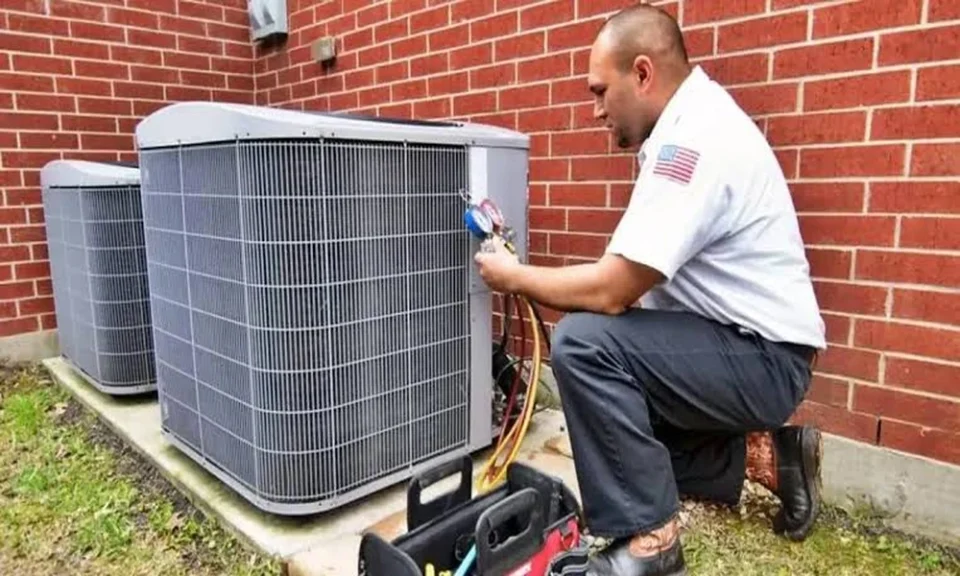
The word “tune-up” covers everything from a ten minute hose rinse to a ninety minute instrumented service, and the two can look identical on an invoice. The gap matters more in Midlothian than in most places. Systems here run nearly nonstop from May through September against afternoons above 100°F and humid Gulf air, while dust from quarries, cement operations and constant new construction settles on everything outdoors. October is a useful time to look closely, because the evidence of that season is still fresh on the coil, in the drain line and on the electrical parts, and any part that needs ordering can arrive long before next spring’s rush.
What separates a real service visit from a quick rinse is the process behind it, and that process is the backbone of Midlothian air conditioning maintenance at 2L Air Conditioning and Heating. Every visit ends with a written report and photos, usually delivered the same day, with findings sorted by what threatens the house versus what can wait. Owner Jimmy Willson does the work himself, so the person who answers the phone, 24 hours a day, is the same person who climbs into the attic. Book the fall visit now, before the first cold front sends everyone’s furnace calls to the top of the schedule.
Before any panel comes off
A good technician starts with information, not tools. ENERGY STAR’s checklist for professional heating and cooling check-ups begins with thermostat settings and controls for the same reason: a system can be mechanically sound and still run badly because of how it is told to run.
- Ask what the homeowner noticed over the summer, such as rooms that never cooled, short cycling, or a higher than usual bill in August.
- Read the equipment data plates to record age, tonnage and refrigerant type, since newer systems use mildly flammable A2L refrigerants like R-454B and need A2L rated tools and recovery equipment.
- Check the thermostat’s wiring, staging and fan settings against the equipment it actually controls.
- Pull the filter, note its size and rating, and look at what it caught.
At the condenser
The outdoor unit takes the worst of a North Texas summer. Mineral dust packs into the fins, and the federal health review of Midlothian air quality notes that the area is home to three cement plants and a steel mill, with alkaline cement kiln dust among the materials studied for deposition in neighborhoods. Whatever the exact source on a given street, condenser coils here clog faster than the national averages assume.
- Shut off power at the disconnect and confirm it is dead with a meter.
- Test the run capacitor’s microfarad reading against its label tolerance, usually 5 or 6 percent; a weakening capacitor is the most common cause of a midsummer no-cool call.
- Inspect the contactor for pitted or burned points and check wire connections for heat discoloration.
- Clean the coil from the inside out using a cleaner suited to aluminum fins, then rinse thoroughly so no residue stays behind.
- Check that the pad is level, because the Blackland Prairie clay under Ellis County swells and shrinks with rainfall and can tilt a pad enough to strain refrigerant lines.
Reading the refrigerant circuit
With the system cooling for at least 15 minutes, the technician measures how the refrigerant is behaving instead of guessing from how cold the lines feel. ENERGY STAR notes that either too much or too little refrigerant lowers efficiency and shortens equipment life.
- Connect gauges or temperature probes and record suction and liquid line readings.
- Calculate superheat for fixed orifice systems or subcooling for systems with an expansion valve, then compare against the manufacturer’s chart for that day’s indoor and outdoor conditions.
- If the charge reads low, search for the leak before adding refrigerant; topping off without a repair only schedules the next service call.
- Record the numbers so next year’s visit can compare against them.
Older R-410A systems can still be serviced legally with existing and reclaimed supply, but that refrigerant is getting pricier as the phasedown continues, which makes finding the leak the financially sensible step.
Inside the attic
Most Midlothian homes keep the air handler in an attic that can pass 130°F in July. Heat like that loosens duct connections, dries out sealants and turns a slow drain into a ceiling stain.
- Measure the temperature split between return and supply air, which often lands between 15 and 20°F on a healthy system.
- Measure total external static pressure; most residential blowers are rated for about 0.5 inches of water column, and readings well above that point to a restrictive filter or undersized returns.
- Inspect the evaporator coil and blower wheel for buildup, since dirt on either one cuts airflow before it shows up anywhere else.
- Flush the primary condensate line, confirm the secondary pan is dry and clean, and test the float switch by lifting it to see that it shuts the system down.
- Walk the visible ductwork for disconnected runs, crushed flex duct and gaps at the boots.
Fall pollen deserves a note here. Ragweed peaks across North Texas in September and October, and a filter rated too high for the system’s returns can starve the blower even as it traps more pollen. The static pressure reading from step 2 tells the technician whether a better filter is helping or quietly hurting.
What the paperwork should show
The visit is not finished when the panels go back on. A useful service record lists the measured numbers, including capacitor values, superheat or subcooling, temperature split and static pressure, alongside photos of anything worth seeing. Those figures become a baseline. A capacitor that drifted two microfarads in a year, or a static pressure that keeps climbing, tells a clearer story than any single visit can.
Routine maintenance does not require a permit, though replacing major equipment generally does go through the city’s building inspections. That distinction is worth remembering if a visit uncovers a failing condenser, because a properly permitted replacement protects both the warranty and the home’s resale paperwork. A tune-up that leaves behind numbers, photos and a plain explanation is the kind worth paying for, and it makes every following year easier to judge.
