
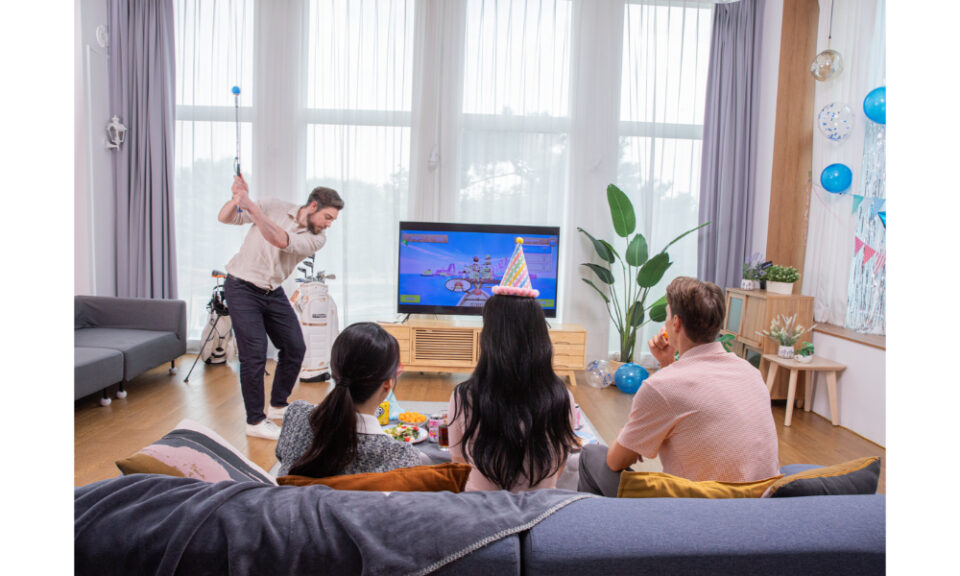
Golf has always been more than just a sport – it’s a way to connect people, create friendships, and share memorable experiences. Thanks to technology, these connections are no longer limited to the physical golf course. Virtual play through advanced simulators like Phigolf 2 is opening the door to worldwide golf communities where people can meet, compete, and grow together.
Breaking Down Barriers
Traditionally, golf has been limited by geography, weather, and cost. Many players find it difficult to travel to courses or invest in memberships. With indoor golf simulators, those barriers are lifted. A portable golf simulator like Phigolf 2 makes it possible for players from different continents to play the same course, share strategies, and enjoy the game without leaving home.
The Power of Virtual Connection
Virtual golf isn’t just about practicing alone. With multiplayer features, tournaments, and online communities, simulators allow players to connect across time zones and cultures. This interactive element transforms golf into a truly global game, where friendships can be formed and rivalries can be enjoyed regardless of physical distance.
Inclusive for All Levels
Another strength of virtual golf communities is inclusivity. Whether you’re a beginner looking to learn the basics or an advanced player fine-tuning your swing, there’s a place for everyone. Phigolf’s intuitive design makes it easy for newcomers to jump in, while advanced swing analytics provide the depth serious golfers crave.
Shared Learning and Growth
Communities thrive when members can learn from one another, and virtual golf is no exception. Through shared sessions, tutorials, and friendly competitions, players can pick up tips, practice strategies, and encourage each other’s progress. The social aspect of this learning makes the sport both motivating and enjoyable.
A Global Game for the Future
As digital sports continue to grow, golf simulators are shaping the way players engage with the sport. The rise of global communities highlights how technology can bring people together in healthier, more interactive ways. Phigolf stands at the forefront of this movement, bridging gaps between cultures and building a connected future for golf enthusiasts.
Conclusion
The development of global golf communities through virtual play represents a new chapter in the sport’s history. With tools like Phigolf 2, players can break down barriers, share knowledge, and enjoy the game with people worldwide. More than just a simulator, it’s a gateway to lasting friendships and shared passion across borders.
